
The classic picture of a family home is changing. The idea of multiple generations living under one roof used to feel like a plot from a nostalgic television show. Now, it's becoming a practical and popular reality. As we move through 2025, more families are choosing to combine their households, bringing grandparents, parents, and children together. This isn't just about saving money, although that is a huge part of it. It’s a complex mix of economic pressures, a desire for stronger family connections, and a reevaluation of what it means to build a supportive home environment.
This shift represents a significant change in social dynamics, moving away from the individualistic household model that was popular for decades. People are discovering that pooling resources and sharing responsibilities can lead to a richer, less stressful life. The arrangement offers built-in childcare, elder care, and a sense of community that is often missing in modern neighborhoods. Let's explore the key reasons why living with your extended family is becoming one of the biggest social trends of the year.
The Economic Squeeze Is Real
Let’s be honest, the economy has put everyone through the wringer. Housing prices have soared to intimidating heights, making the dream of homeownership seem like a fantasy for many young adults. At the same time, the cost of living continues to climb, squeezing budgets until they squeak. For many, moving back in with parents or having grandparents move in is not just an option, it is a financial lifeline. It is a strategic move to combat inflation and build savings that would otherwise be impossible.
This financial collaboration allows families to afford a larger, more comfortable home than they could individually. Household expenses like utilities, groceries, and maintenance are split, significantly reducing the burden on any single person or couple. It creates a powerful economic unit where resources are pooled for the greater good of the family. This practical approach provides stability in an uncertain economic landscape, making multigenerational living an incredibly logical choice for millions.
The Childcare And Eldercare Conundrum
Finding affordable and reliable care for the youngest and oldest members of the family is a massive challenge. Childcare costs can rival a mortgage payment, while professional elder care can quickly drain a lifetime of savings. Multigenerational households offer a beautiful, built-in solution to this problem. Grandparents can help look after grandchildren, providing them with quality time and giving parents a much-needed break without the exorbitant cost. It is a win, win situation.
Similarly, adult children can provide support and care for their aging parents at home. This arrangement often allows seniors to maintain a sense of independence and dignity while staying connected to their loved ones. It avoids the isolation that can come with living alone or in a facility. This intergenerational support system creates a web of care that benefits everyone, strengthening family bonds while easing a significant financial and emotional strain.
A Craving For Deeper Connection
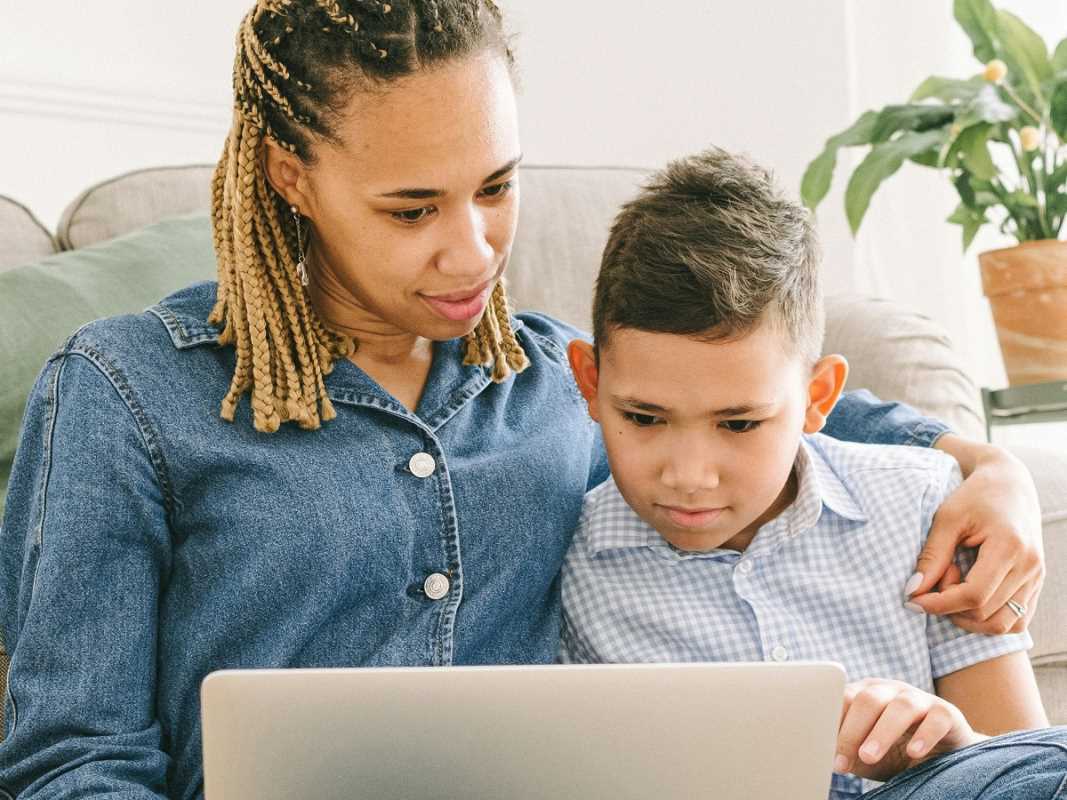
Modern life can sometimes feel isolating. We connect through screens and see our extended family members during scheduled holidays, if we are lucky. The rise of multigenerational living is partly a reaction to this sense of disconnection. People are actively seeking stronger, more meaningful relationships with their family members. Living together fosters a daily sense of community and shared experience that you simply cannot get from a weekly phone call or a video chat.
This setup allows for the natural transfer of stories, traditions, and skills between generations. Children get to grow up with the wisdom and affection of their grandparents right down the hall. Parents get to witness these precious interactions and benefit from the emotional support of their own parents. It’s a return to a more communal way of life, where the family unit is a source of daily comfort, laughter, and belonging.
The Rise Of Remote And Flexible Work
The way we work has changed dramatically, and our living arrangements are starting to reflect that. With more companies embracing remote or hybrid work models, employees are no longer tied to living in expensive cities close to their offices. This newfound freedom allows people to choose where they live based on lifestyle and family needs rather than commute times. It has opened the door for families to consolidate households in more affordable or desirable locations.
A larger, multigenerational home can more easily accommodate multiple home offices without everyone feeling cramped. The flexibility of remote work also means parents can be more present and available to share childcare and household duties throughout the day. This shift in professional life has made the logistics of living together far more manageable and appealing, turning a once-complicated idea into a practical and attractive option for the modern workforce.
Designing Homes For Togetherness
The housing market is slowly catching on to this trend. Architects and builders are beginning to design homes specifically for multigenerational living. These aren't just bigger houses, they are smarter houses. We’re seeing a rise in properties with dual primary suites, separate kitchenettes, and accessory dwelling units, also known as in-law suites or casitas. These features provide both proximity and privacy, which is the secret sauce to a happy, multi-generation household.
This architectural evolution makes living together more sustainable in the long term. Each generation can have its own space and autonomy while still enjoying the benefits of being under one roof. This design foresight acknowledges that while families want to be together, they also need personal space to retreat and recharge. As more homes are built with this flexibility in mind, the trend is likely to become even more mainstream and accessible.




 (1).jpg)